So you want to start a podcast? How much will it cost? What do you need to have to get started with podcasting? I’ve gathered my favorite podcasting resources in one neat and tidy place to help you get started with podcasting in a flash. I hope this list is helpful for new podcasters or anyone curious about starting a podcast.
Getting Started with Podcasting
Before I became a podcaster myself, I learned about podcasting through guesting on other podcasts. This mini course taught me so much about the power of podcasting and my business network grew rapidly.
I also learned the skills of podcasting in this beginner podcasting course and started to support other podcasters as a podcast manager. We worked together to use a podcast to help them reach their big picture business goals. I helped with content planning and handled the editing, scheduling, and data mining so they could focus on the parts of podcasting they loved – speaking their message into the microphone and sharing the final episode with the world.
And for those who have been podcasting a while, we work through the reflection questions and data deep diving inside this intermediate podcasting course to take things to the next level as a team.
Check out my podcast (Your Win-Win Teacher Business) here.
Learn about my podcast management services here.
9 Must-Have Podcast Resources for beginners

1. A podcast manager

Okay maybe a podcast manager isn’t a must, you certainly CAN go the DIY route, but having a podcast manager at the start of your journey is something I do think you should strongly consider.
At the start of your podcasting journey there are a number of tasks that you’ll really only be doing one time. Think about cover art, setting up a host, distributing your RSS feed to all of the platforms where people will listen, making decisions about categories for the charts, designing a launch timeline and giveaway that support your goals and help you get the ROI you are looking for by starting this podcast.
Is it really the best use of your CEO time to learn how to do those things for one podcast? Or could a podcast manager help speed up the launch process and do some of that heavy lifting for you so that you can focus on the parts of your business that only you can do.
Having a thought partner to ask the right questions and get your strategy straight from the start can be a worthwhile podcast resource.
I’d love to talk more about your podcast management needs. Share your questions about podcast management in my contact form here.
2. A podcasting course

Maybe you can piece together advice from free YouTube videos, blog posts, and guides you find online but I always value the chance to learn from one mentor and follow their step-by-step path from start to finish.
Putting together pieces of strategies from multiple different people that may or may not be up to date is a recipe for frustration when it comes to starting a podcast. Having an expert who is actively podcasting, managing other podcasts, and keeping up on to date in the industry is a podcast investment I was happy to make.
Take a closer look at my favorite beginner podcasting course here.
3. A microphone

You can find a quality podcasting microphone at a lower pricepoint but I can’t think of anything more important when it comes to podcasting than audio quality so this was an area where I felt it was worthwhile to spend a little bit more money for a quality microphone that would last a long time. My favorite podcasting mic is the Shure MV7 and you can take a closer look at it here.
Your listeners will be patient as you experiment with episode length, segments, formats, content planning, and even ads. But they won’t stick around if the audio quality is poor, especially when we consider how some will be listening with headphones and others will be listening through a car stereo system. Taking the time to get the audio quality right from the start really matters and this microphone has been a great purchase for me as a beginner podcaster.
I have used this microphone to record online courses, webinars, trainings, and so much more beyond just podcast episodes. Showing up as a guest on other podcasts with high quality audio helps you stand out in the crowd and you’ll use this microphone a lot once you have it setup in your podcasting space.
If you have a podcast manager, send them some test audio of a few microphones as you are shopping and they can provide feedback. I love helping clients select a microphone that they love!
Take a closer look at my podcasting microphone here.
4. Wired headphones

Put down the ear buds and don’t rely on your computer speakers alone. Headphones that plug-in really are an important part of your podcasting studio setup. Sound travels more quickly through a cable and you don’t have to deal with latency delays as a podcaster. Wired headphones also tend to be more lightweight than wireless options and you’ll appreciate this during both recording and editing sessions.
I started with the loreleix6 over ear headphones and while they aren’t comfortable to wear for long periods of time, they get the job done. I was willing to save money in this area. I have mine hanging on the Avantree HS102 Earphone Mount at my desk so they are always ready to go when I sit down to start recording a new podcast episode. Like my microphone, I find myself reaching for them in many other situations since they are part of my podcasting setup and at my fingertips.
Take a closer look at my wired headphones here.
Take a closer look at my earphone mount here.
5. A Podcast Host

What is a podcasting host? This is where you’ll upload your actual podcast episodes so that they can be stored, scheduled, and distributed to all of the different places that people tune into their favorite podcasts.
Captivate and Buzzsprout are my top picks for podcast hosts. They offer great analytics, dynamic ads, and have supportive customer service teams. Most of my podcast management clients use Captivate and my podcast is hosted on Buzzsprout due to a compatibility situation with my business bank card. You can’t go wrong with either option.
Take a closer look at Captivate here.
Take a closer look at Buzzsprout here.
6. A project management tool

If you are a student inside my DIY Asana course or one of my podcast management clients then you’ve already seen inside my favorite project management tool, Asana. A project management tool helps me keep all of the links and passwords for my podcast in one organized place. It holds a copy of the step-by-step workflow I take every podcast episode through to ensure all episodes are released with the same high-quality marketing assets week after week. I can clearly see what the next podcasting task is on my calendar whether I’m recording one episode at a time or working ahead to batch podcast content.
Dive into the free preview video at the start of this course to take a closer look at Asana.
7. Software for editing and transcripts.

Your computer might already have a free program like Garageband or Audacity that you could use to edit your podcast episodes. If you choose one of these options, you’ll also need to choose software like Otter.ai to generate written transcripts from your episodes. These help with accessibility on the listening platforms and also are the first step in creating show notes on your website for each episode.
As you compare prices for different tools, you might want to use a dual solution like Descript that can pull a transcript during the editing process.
There are absolutely more powerful tools out there but if we’re building a tech stack for a beginner podcaster, these are likely the tools I would suggest starting with.
Take your time choosing the right tech stack that works for your needs as you’ll be spending a lot of time editing as a podcaster.
Or pass this part to a podcast manager and let them worry about the learning curve of staying up to date with the latest software options.
8. A game plan

You’ll need a game plan for storage. Those mp3 audio files and .wav audio files are going to add up fast so make a decision where you will store them. Purchase an external hard drive or setup a strong file hierarchy systems in your favorite cloud storage system. You might need to plan to invest in additional storage for these media files so have that business expense on your radar.
Will you keep the raw audio and the final edited versions? How long will you keep these audio files for? You’ll be storing episode notes, transcripts, graphics, and so much move over time so make a game plan for where you’ll be storing your podcast assets from the start.
I keep things simple in Google Drive, personally.
You’ll also need a game plan for graphics. Will you make your own cover art or would having some promotional graphic templates help you show up to share about your show week after week? There is no one right way to handle graphics, but I would suggest creating some graphics templates for your podcast in Canva before those episodes start going live so that you don’t fall behind sharing them with the world.
Your podcast manager can support you with creating this graphics game plan as you prepare to launch your podcast as a team.
A marketing game plan should be mapped out before you release your first podcast episode, too.
Will you share about each episode on your email list or do a round-up once a month? Will these episodes also live on your blog and be pinned to Pinterest? Will you be sharing a static graphic, carousel, and a Reel about the episode topic each week on Instagram? How can you make the most of this long-form content and help it work hard for your big picture business goals? Making these decisions before the first episode goes live gives you the best chance of sticking to the plan.
Don’t worry. Your podcast manager will help you make these decisions, too.
9. Create time on your calendar for podcasting

Be realistic about how long each task takes as you plan to begin podcasting.
What tasks absolutely need to be done by you? (recording episodes)
What tasks could other team members support you with? (likely almost everything else)
Do you have time to plan episodes and record? Or do you also have time to edit, market, schedule, etc? Time track from the start to really know how long it takes to plan, outline, and record audio for an episode from start to finish as these tasks will always be on your desk. Make sure those tasks have a dedicated, protected time in your calendar before making decisions about the best way to tackle the other podcasting tasks.
Make sure you are crystal clear on your goals, how much time you have to devote to podcasting, and your budget before you officially start your podcasting journey.
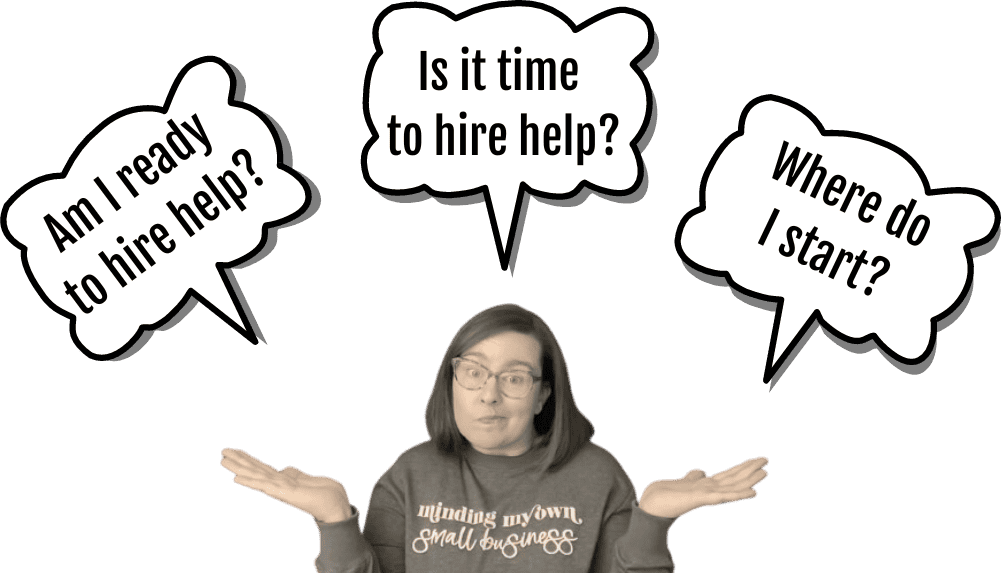
Unsure if you want to hire help? Take a look at this FREE hiring guide to learn more.
Are you ready to start podcasting?
If you have a great idea for a podcast, a microphone, wired headphones, and a podcast host you might be ready to start podcasting!
Putting systems and strategy into place from the start will help to set your show up for success. Take your time to learn from a high quality podcasting course and consider if having the accountability and support of a podcast manager might help you reach your podcasting goals faster.
Take a look at a list of My Favorite Things here
📌 Save This Resource List for Podcasters